A minimalist wardrobe isn’t about owning as little as possible for its own sake. It’s about owning fewer pieces that actually get worn. These 17 steps cover starting the process and building a neutral foundation. They also cover the habits that keep a minimalist wardrobe from slowly filling back up. None of these require throwing everything out in one weekend.
What a Minimalist Wardrobe Actually Means
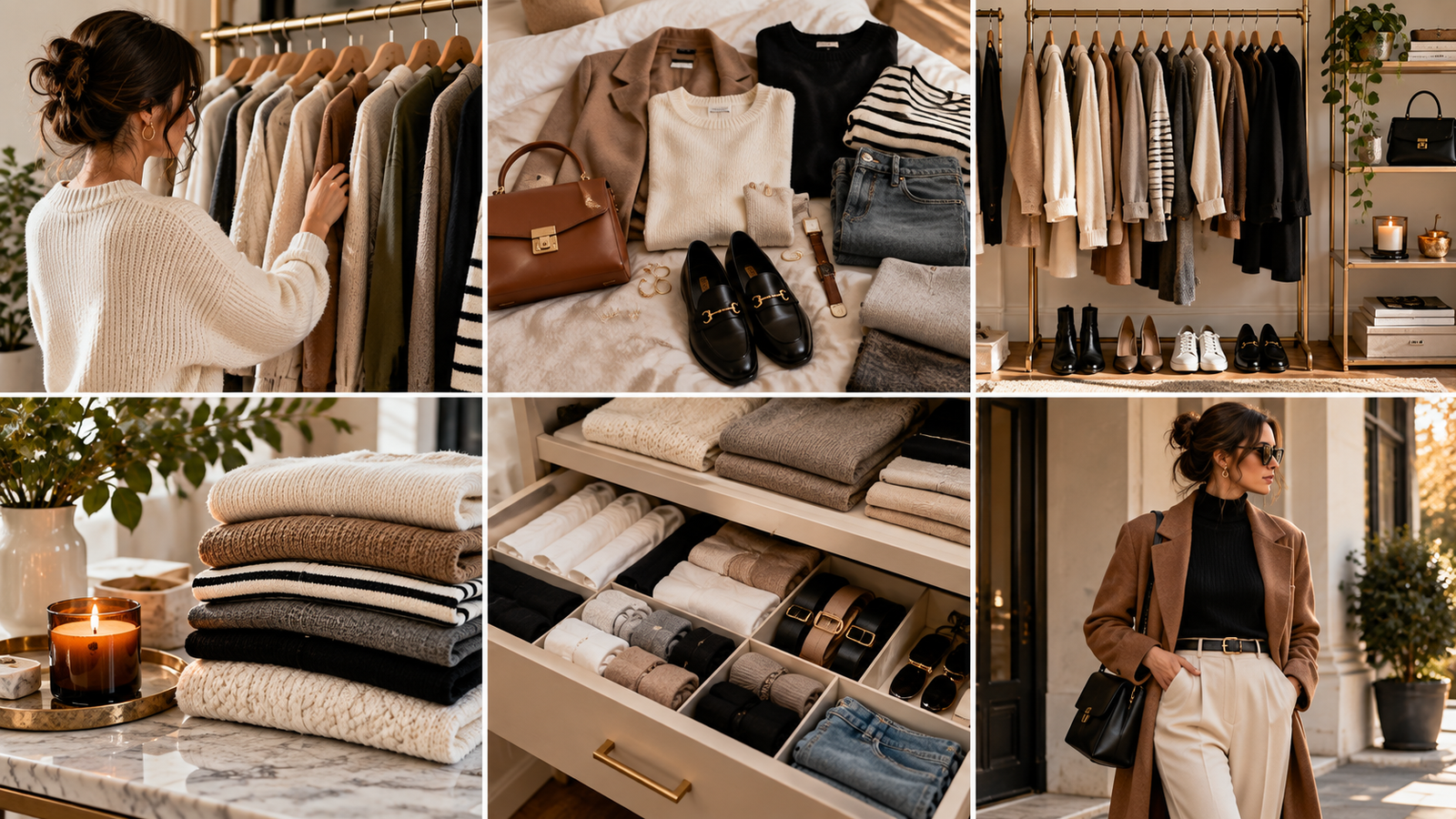
A minimalist wardrobe is a curated set of versatile pieces that mix and match easily. One practical guide puts it simply. Fewer, more intentional pieces beat owning dozens rarely worn. This isn’t about deprivation. It’s about spending less time deciding what to wear each morning. A smaller closet also means less time doing laundry and less money spent replacing things that never got worn anyway.
None of this happens overnight, and it doesn’t need to. Most people build a genuinely minimalist wardrobe gradually, over several months. Rushing the process usually means donating things too fast, then buying replacements that don’t actually fit the new system. Patience matters more here than speed, especially in the first few months.
Starting the Process
1. Assess What You Already Own
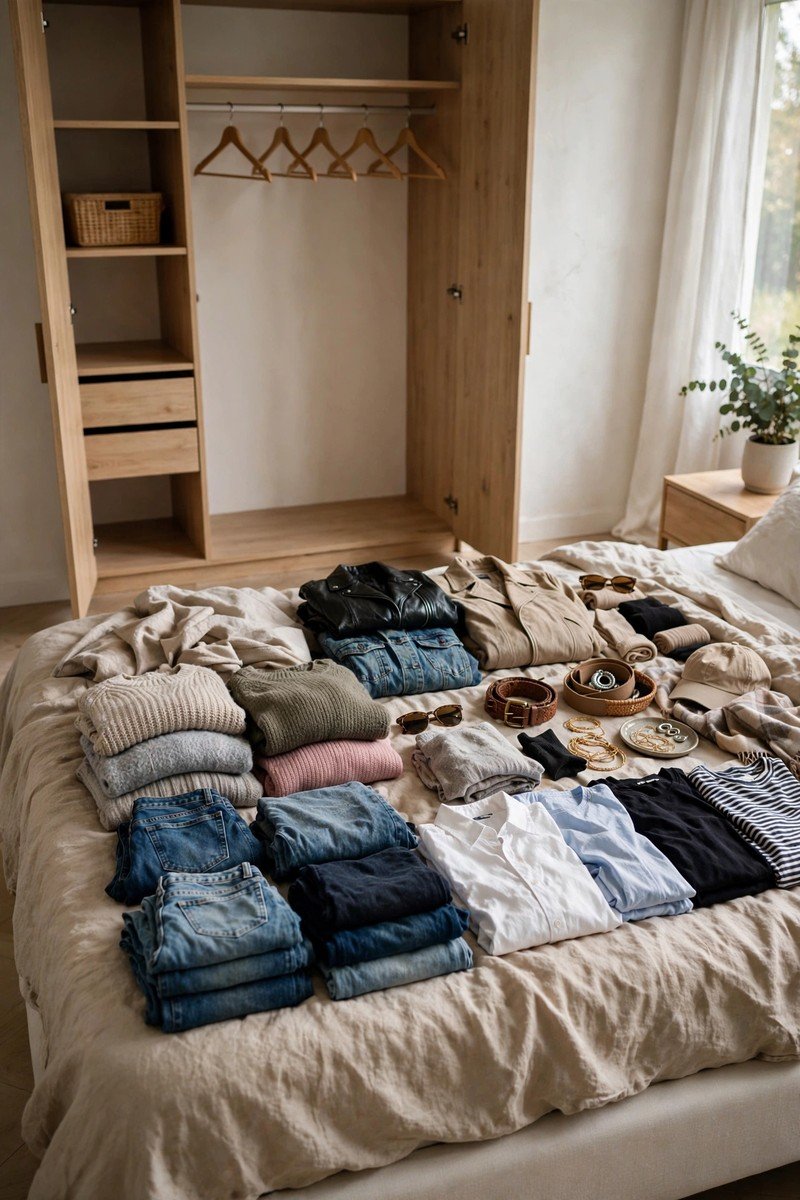
Pulling everything out of the closet at once shows exactly what’s actually there. This step feels tedious, but it’s the honest starting point every guide agrees on. Note what gets worn often and what hasn’t been touched in a full year. This is the foundation every other step on this list builds from. Doing this on a bed or a large flat surface makes the sorting process considerably easier.
2. Define Your Style Rules First
Deciding what will never get worn again makes every future decision easier. One real style guide calls this defining the boundaries before anything else. Knowing this in advance speeds up both decluttering and future shopping decisions. This step prevents a lot of second-guessing later in the process. Writing the rules down somewhere visible makes them easier to actually stick to.

3. Create a Donate, Sell, and Toss Pile
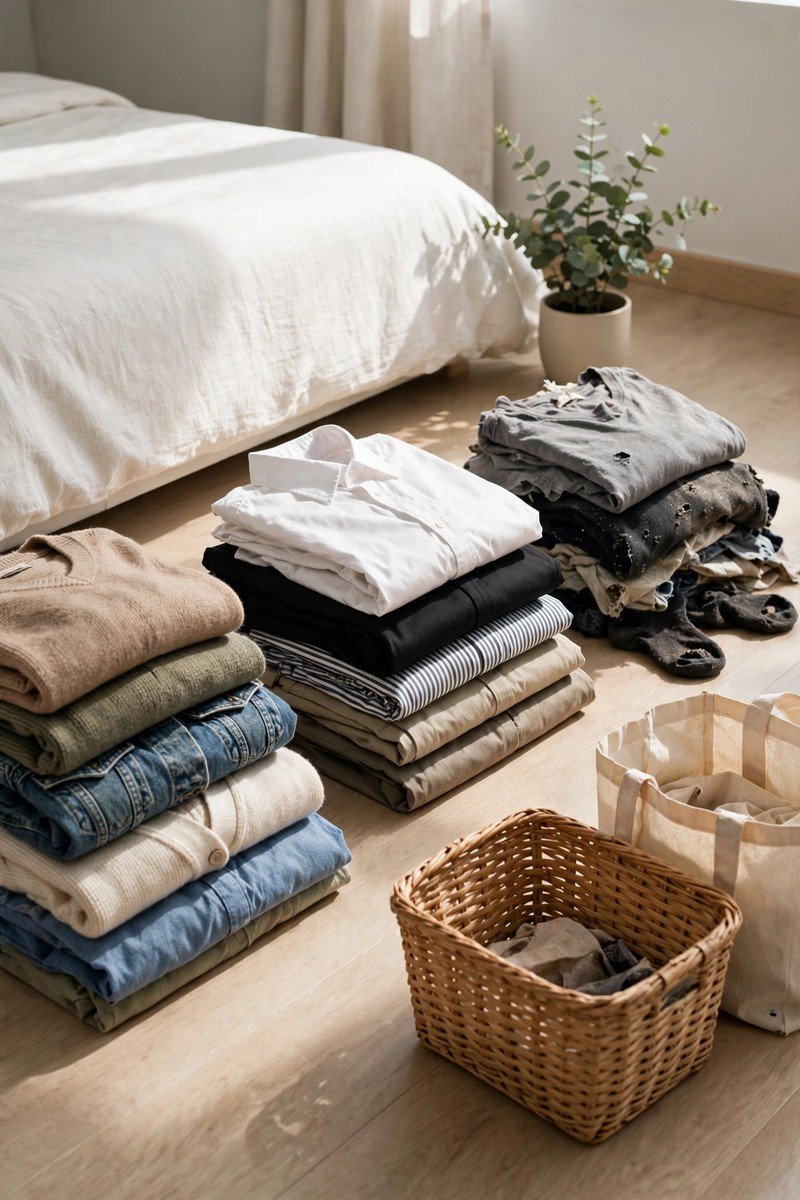
Sorting into three specific piles makes letting go of items feel less overwhelming. Good condition pieces go to donation or resale, worn-out ones go in the toss pile. This detail turns a vague decluttering goal into something concrete and actionable. This is one of the more satisfying steps on this entire list once it’s done. Setting a deadline for the donate pile keeps it from sitting in a bag for months.
Building the Neutral Foundation
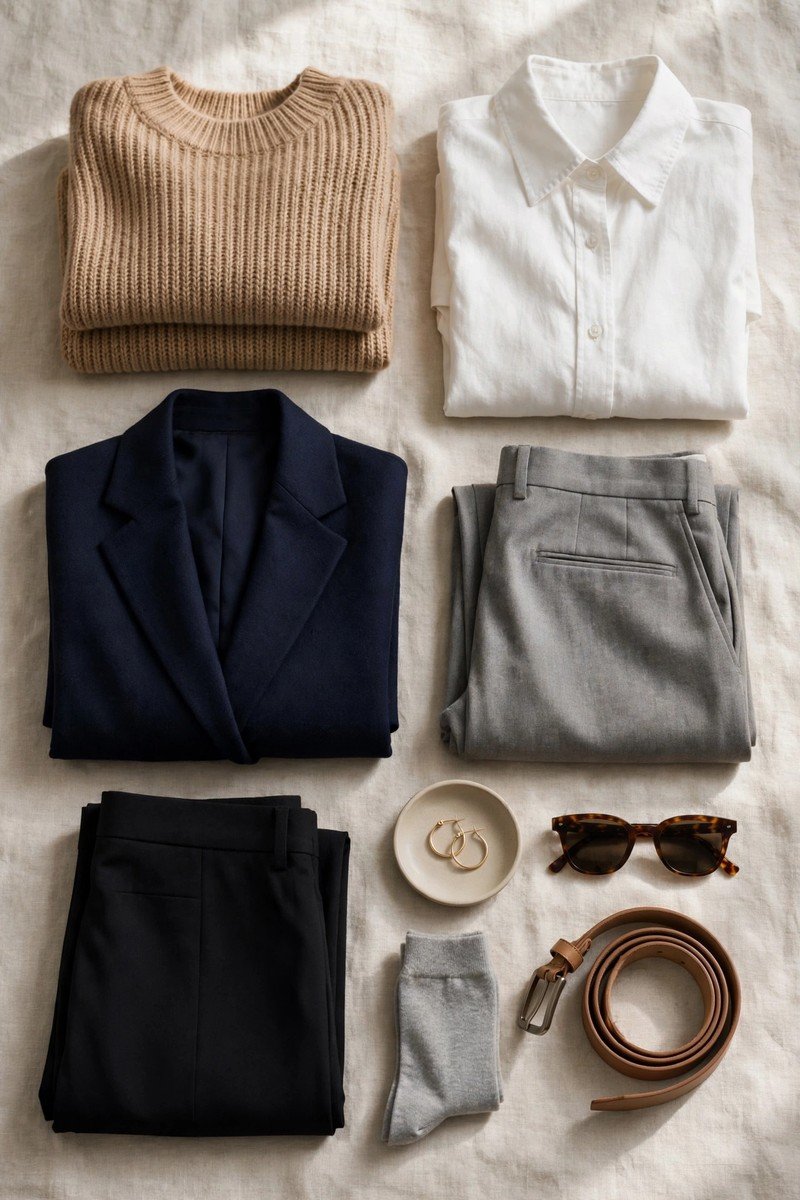
4. Choose Two or Three Core Neutral Colors
Black, white, beige, navy, and gray are staples for a real reason. These colors mix and match with almost anything else in a closet. Picking two or three as the actual foundation prevents a closet full of colors that clash. This is one of the most foundational decisions on this entire list. Every future purchase gets measured against these colors before anything else.
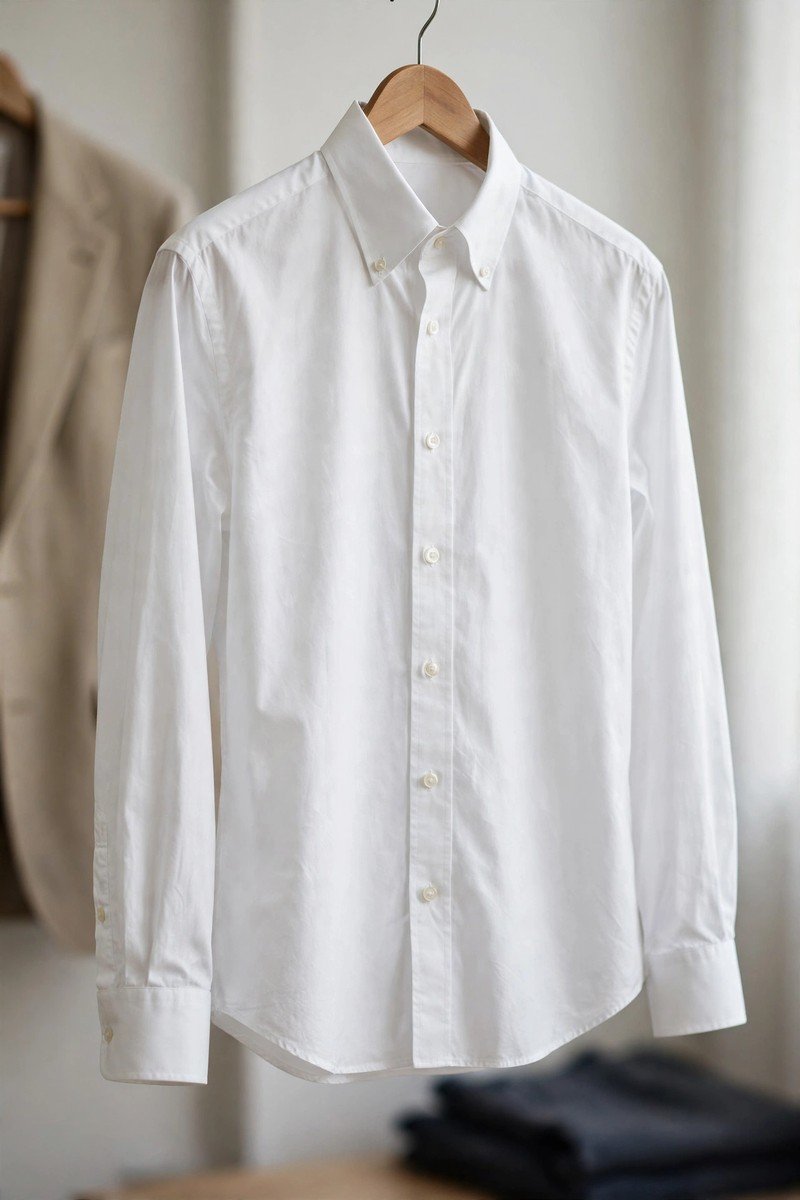
5. A Quality White Button-Down Shirt
A crisp white button-down works for an office day, a dinner out, or a casual weekend. This piece is worth spending a little more on, since it gets worn constantly. Fit matters more here than almost anywhere else in a minimalist wardrobe. This is one of the most versatile single pieces on this entire list. Two in rotation means never running out of a clean one on a busy week.
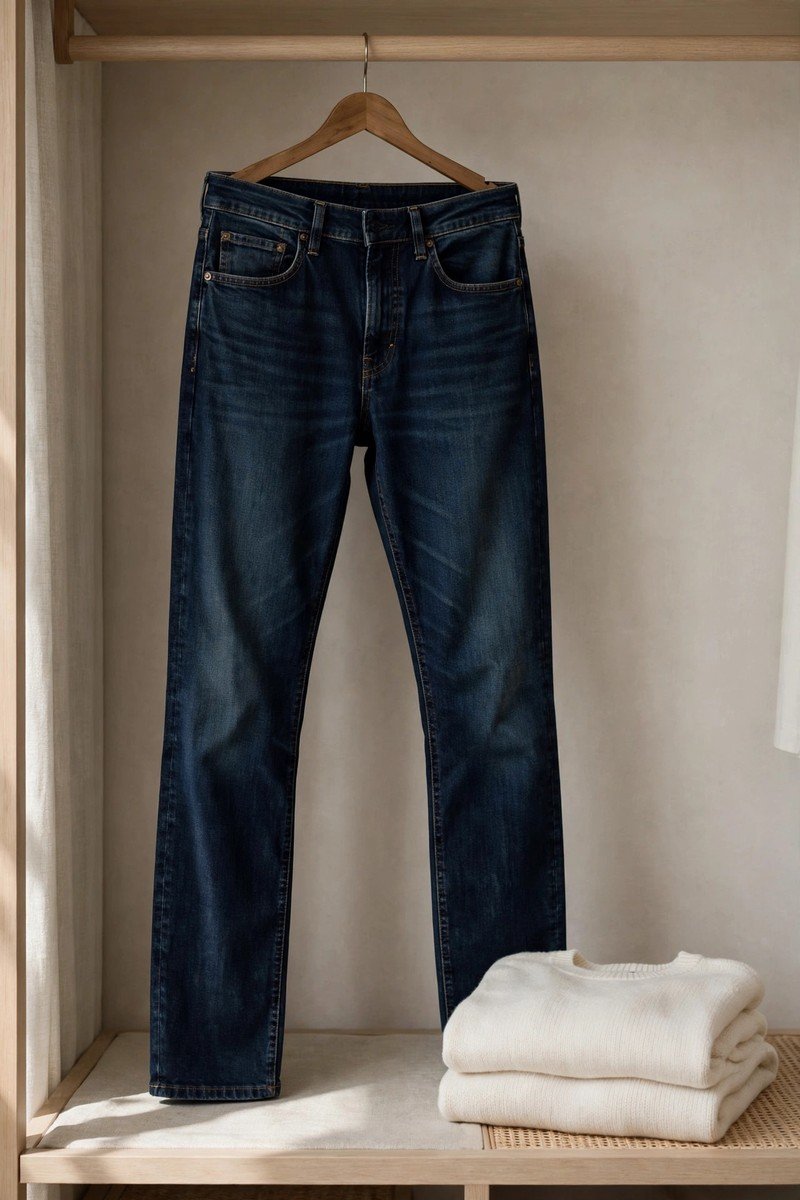
6. Well-Fitted Dark Denim
A dark, well-fitted pair of jeans works dressed up or down without much effort. Dark denim specifically reads as more polished than a lighter, faded wash. This piece pairs with nearly every top covered elsewhere on this list. This is a foundational bottom worth prioritizing early in the process. A proper tailoring appointment is worth the small cost for a genuinely perfect fit.
The Essential Pieces
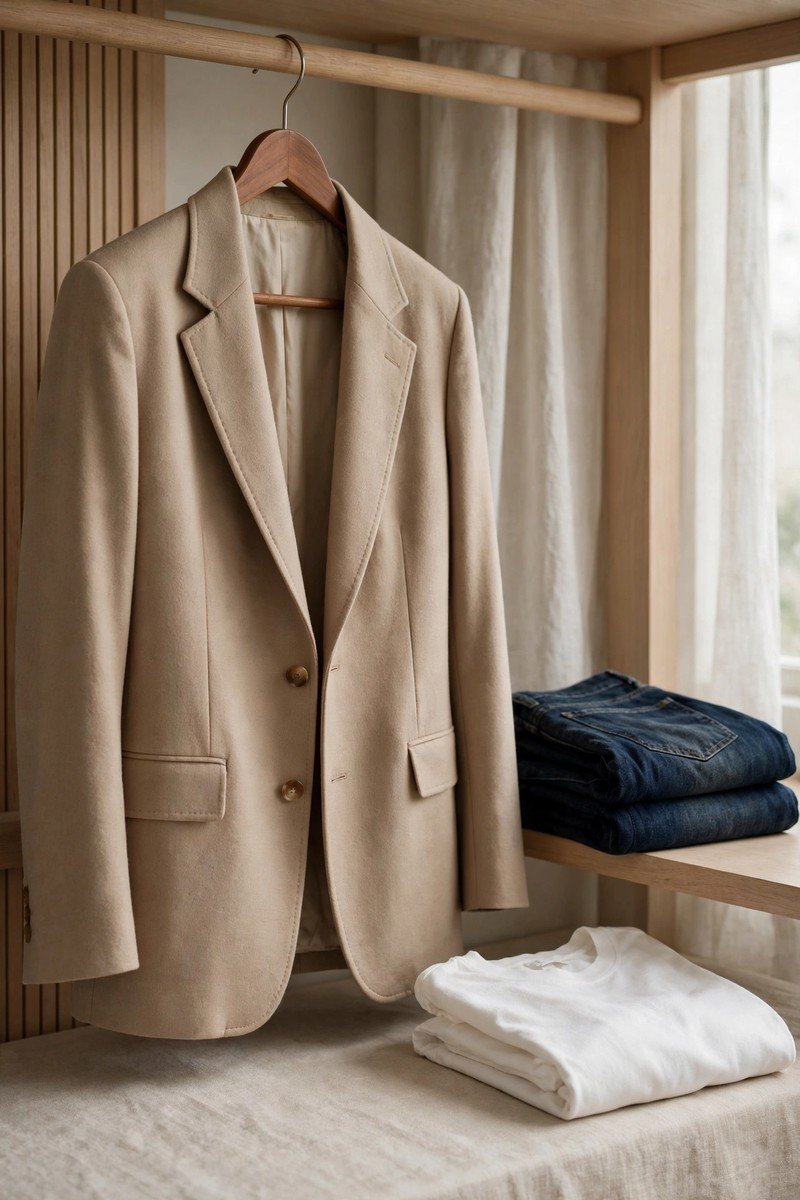
7. A Blazer That Works for Multiple Occasions
A well-fitted blazer in a neutral color covers work, dinners, and everything between. This single piece elevates jeans and a tee into something considerably more put-together. A slightly relaxed fit feels more current than anything too stiff or boxy. This is one of the hardest-working pieces on this entire list. Choosing a fabric that resists wrinkles makes it even more practical for travel.
8. One Great Pair of Boots
A quality pair of boots in a neutral color handles most of the year in most climates. This is worth investing more in, since good boots outlast several cheaper pairs combined. Ankle boots specifically pair well with both jeans and a dress. This is one of the more practical investment pieces on this entire list. A cobbler can extend their life for years past when a cheaper pair would fall apart.
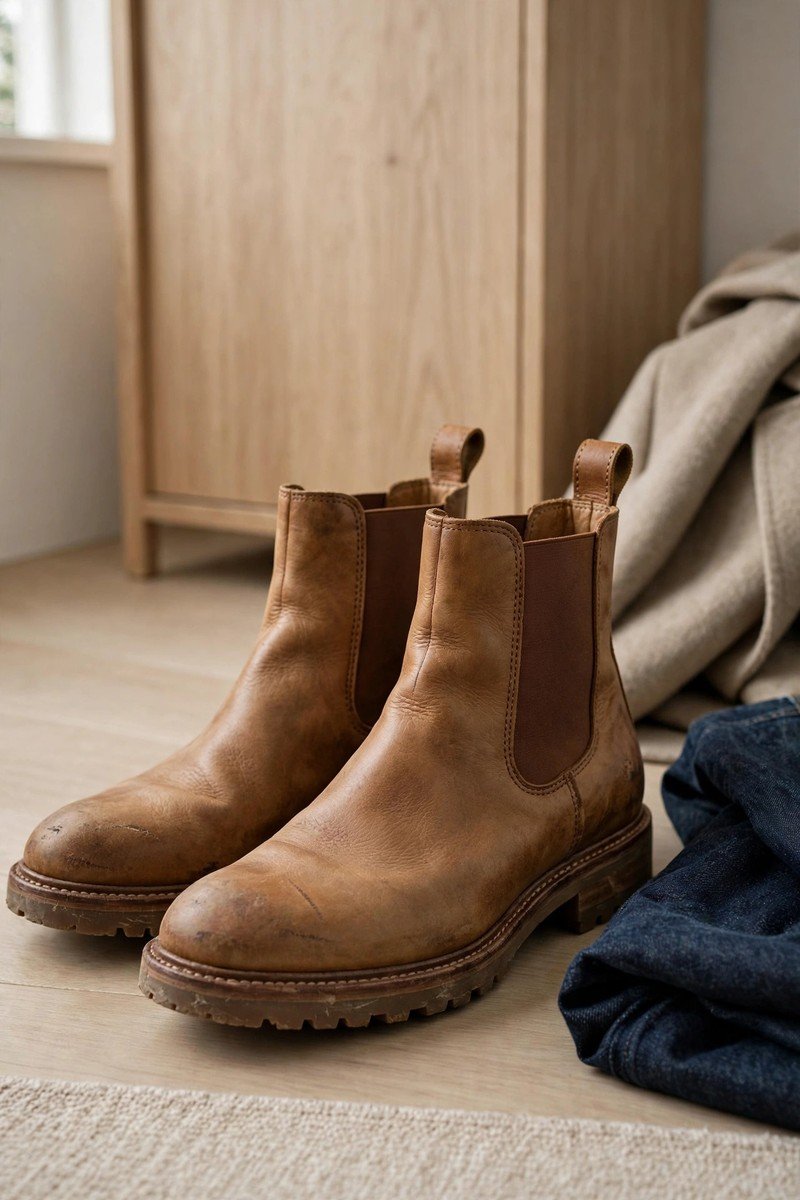
9. A Versatile Midweight Coat
One good coat in a neutral tone covers most of the cooler months without needing a backup. A trench or a simple wool coat both work well for this purpose. This piece gets worn constantly, so quality matters more here than almost anywhere else. This is one of the biggest, most worthwhile investments on this entire list. A classic silhouette also ages far better than anything tied to one specific trend.
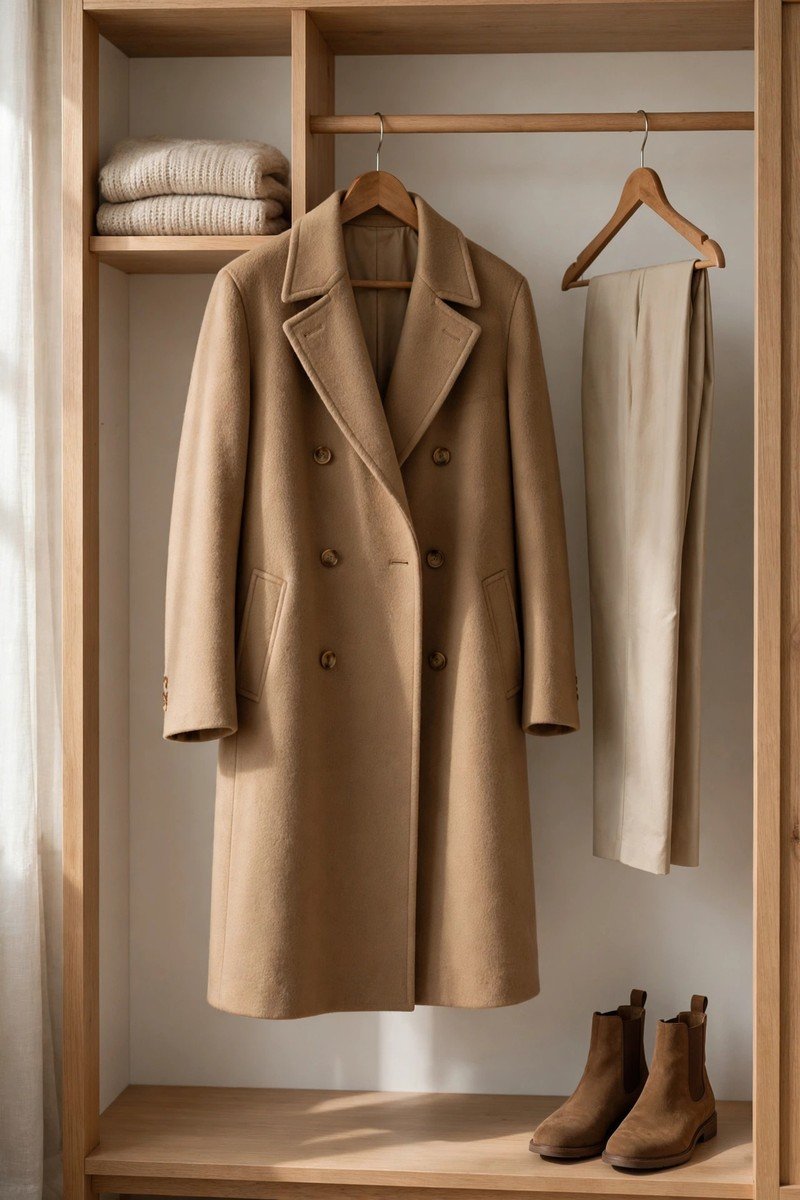
10. A Simple Knit Sweater
A plain, well-made sweater in a neutral shade layers under almost anything else. This piece works for an office day, a casual weekend, or a cool evening out. Avoid anything with a busy pattern that limits what it actually pairs with. This is one of the more comfortable, everyday essentials on this entire list. Natural fibers like wool or cotton tend to hold their shape longer than synthetic blends.
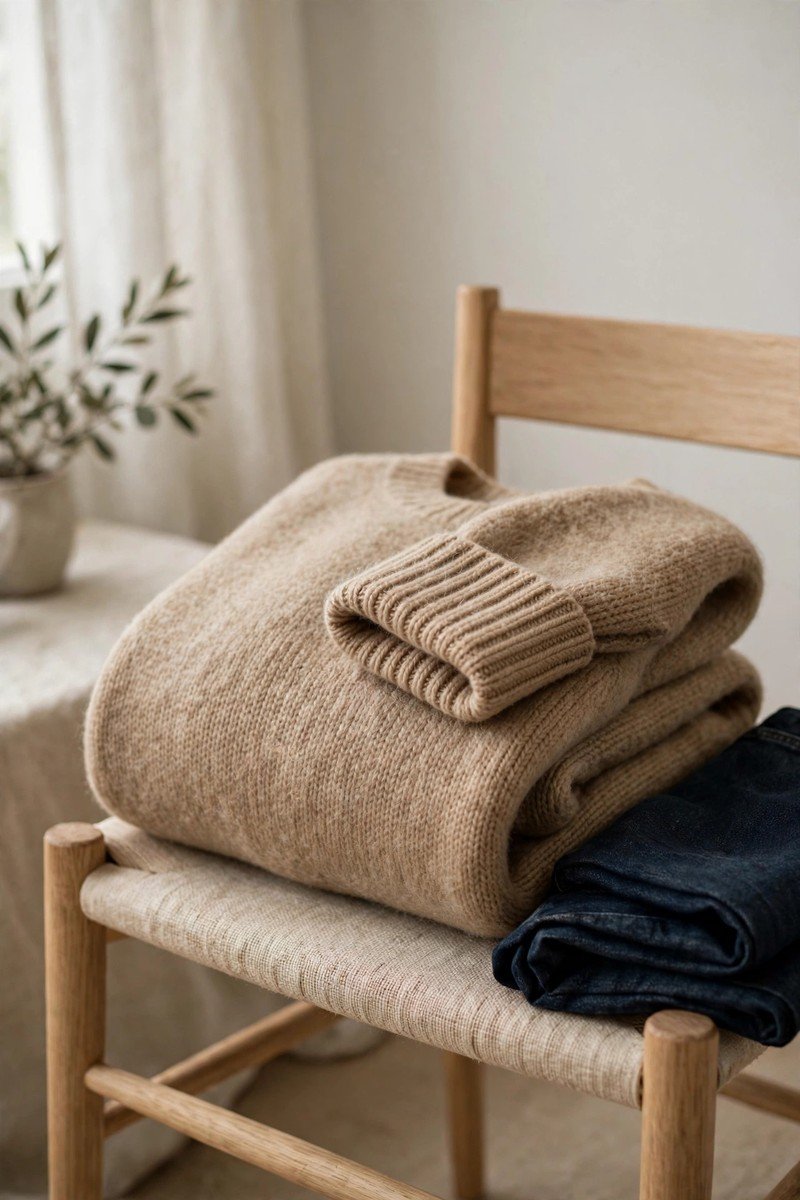
11. One Little Black Dress or Equivalent
One dress that works for nearly any dressy occasion saves constant last-minute shopping. A simple, classic silhouette ages better than anything too trend-specific. Accessories change the whole mood without needing a second dress at all. This is one of the most efficient single pieces on this entire list. Choosing a slightly versatile length keeps it from feeling locked into one single occasion type.
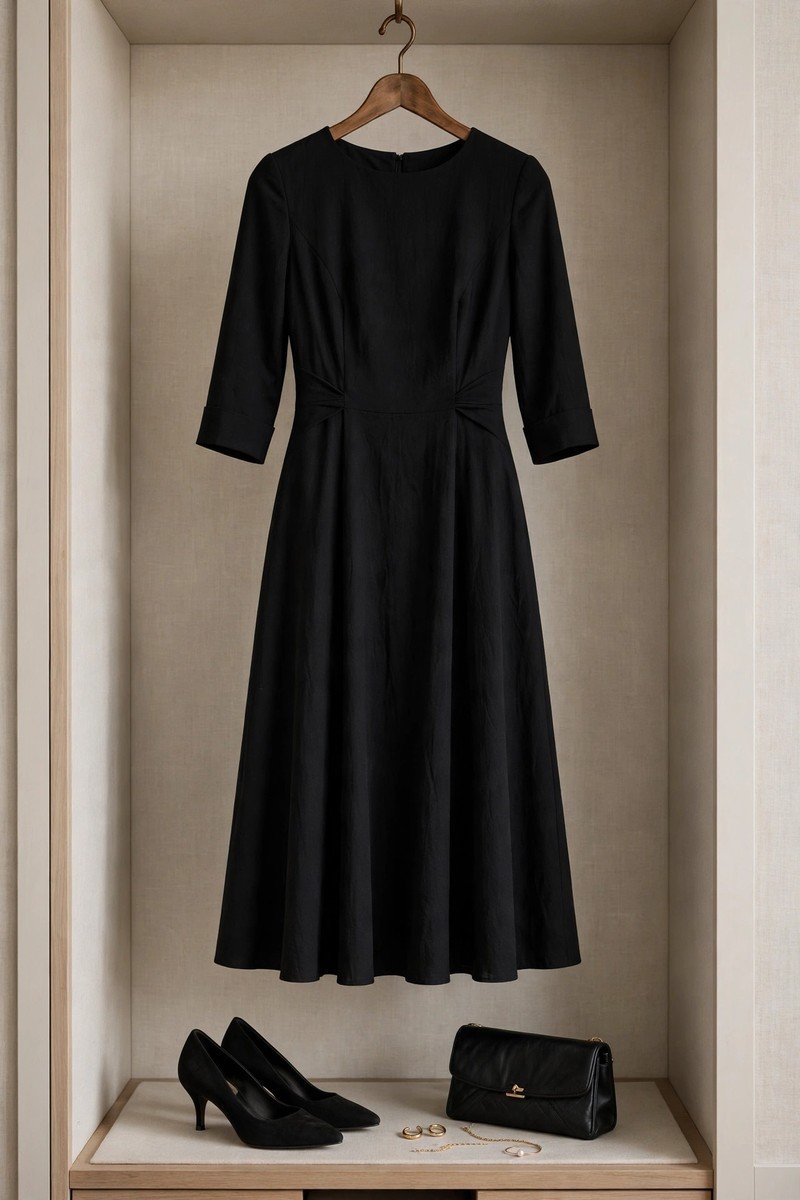
Maintaining It Long-Term
12. The One-In, One-Out Rule
Removing one item every time a new one comes in keeps the closet from slowly refilling. This detail matters more than any single purchase decision on this entire list. It also forces a bit more thought before buying something new in the first place. This is the single most useful long-term habit on this list. It works especially well once the foundational pieces are already in place.
13. Shopping with a List, Not Browsing
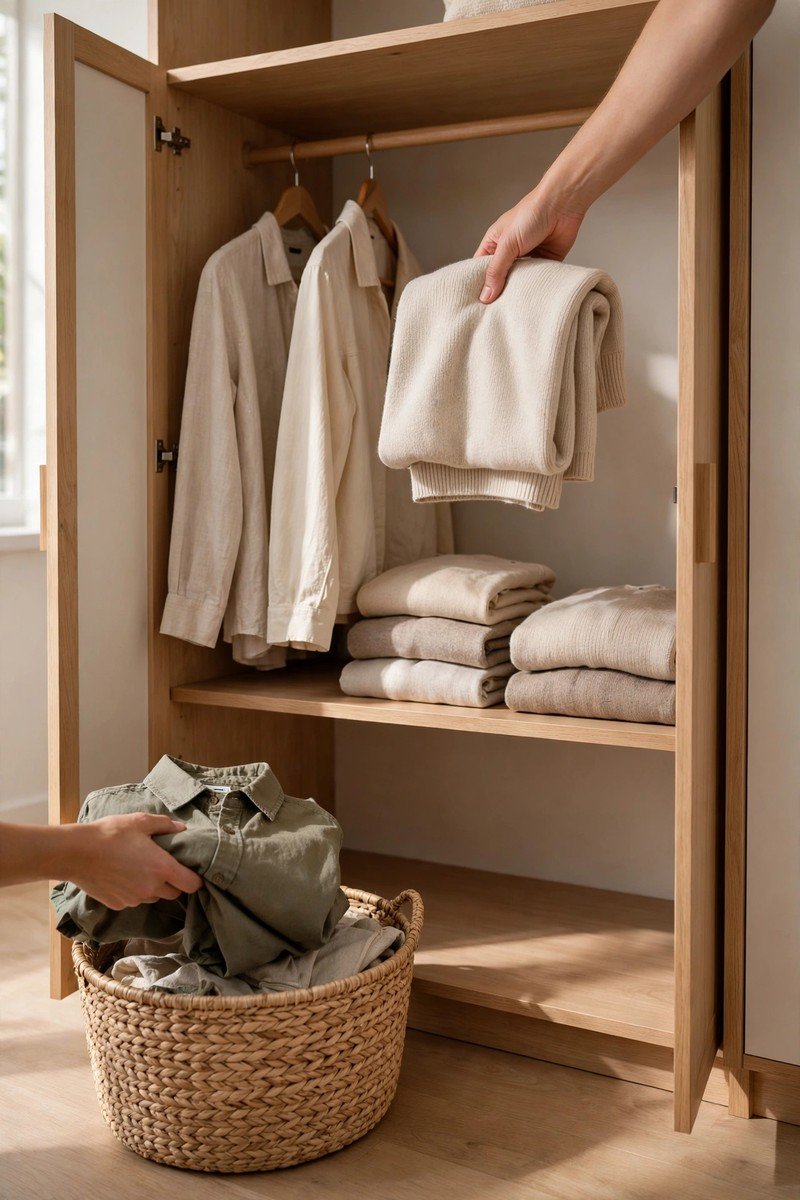
Bringing a specific list into a store counters the impulse-buy layout most shops are designed around. One real style guide points out that stores are built to encourage unplanned purchases. Knowing exactly what’s needed beforehand makes walking past everything else much easier. This is a small habit that saves real money over time. It also cuts down on returns, since fewer impulse buys mean fewer regretted purchases later.

14. Borrowing for One-Off Occasions
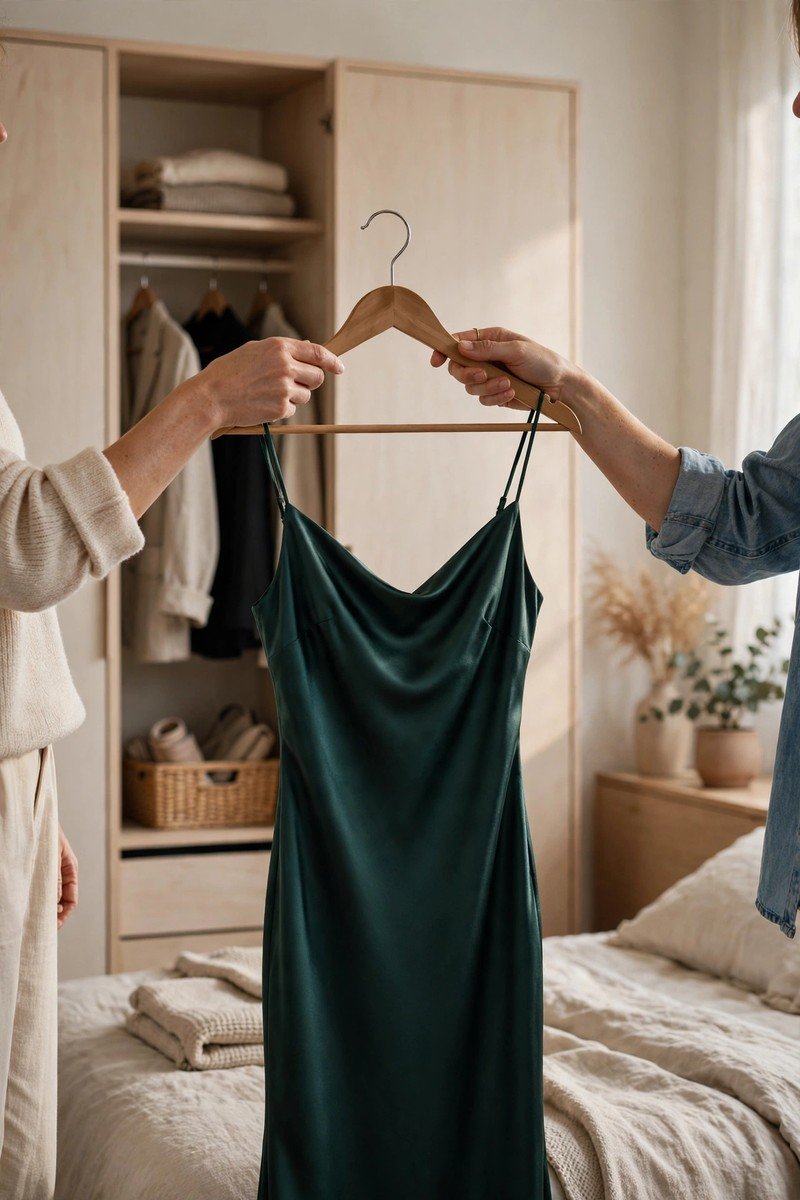
Borrowing something for a single event beats buying a piece that gets worn once. A formal gown or a costume are the most obvious examples of this. This detail keeps the closet from filling with occasion-only pieces that rarely get repeated. This is a practical habit worth adopting before the next big event actually comes up.
Making It Feel Like You
15. Choosing Quality Over Quantity
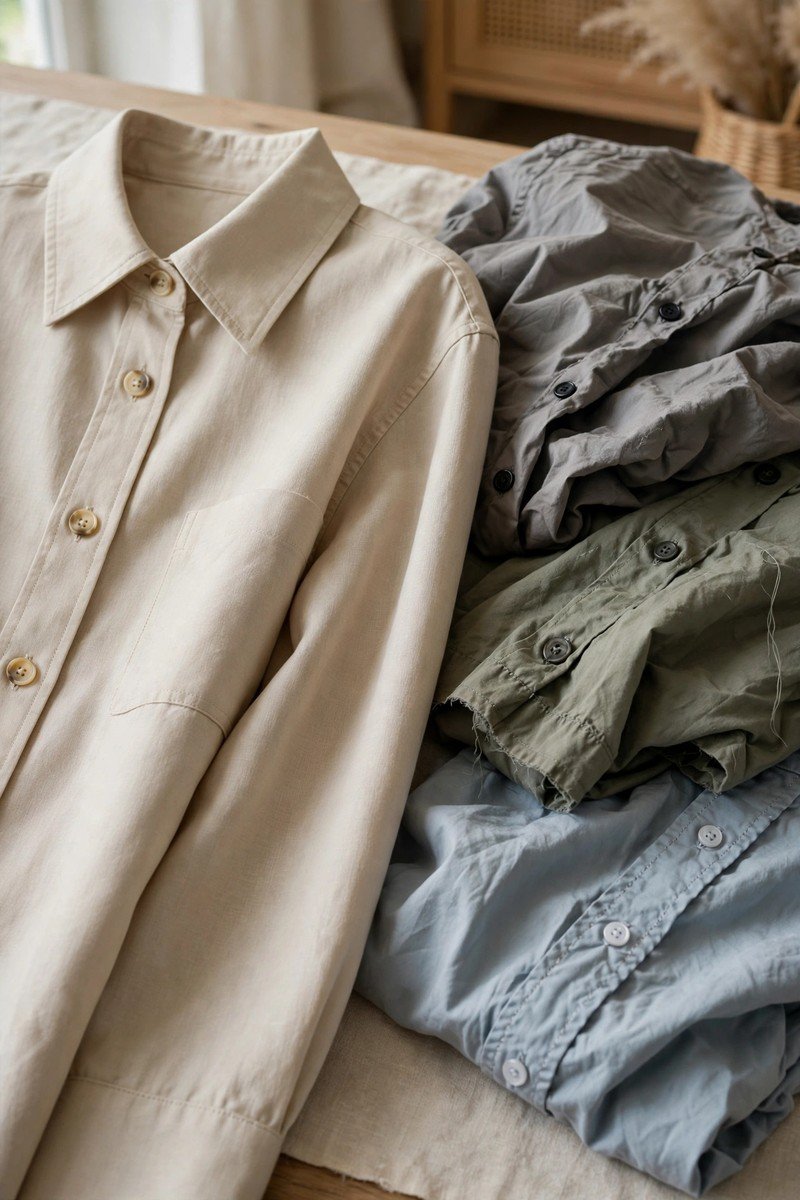
One well-made piece genuinely outlasts several cheap versions of the same item. This principle applies to nearly every category covered elsewhere on this entire list. Cost per wear matters more than the initial sticker price alone. This is the underlying philosophy behind nearly every other idea on this entire list.
16. Adding Personality Through Accessories
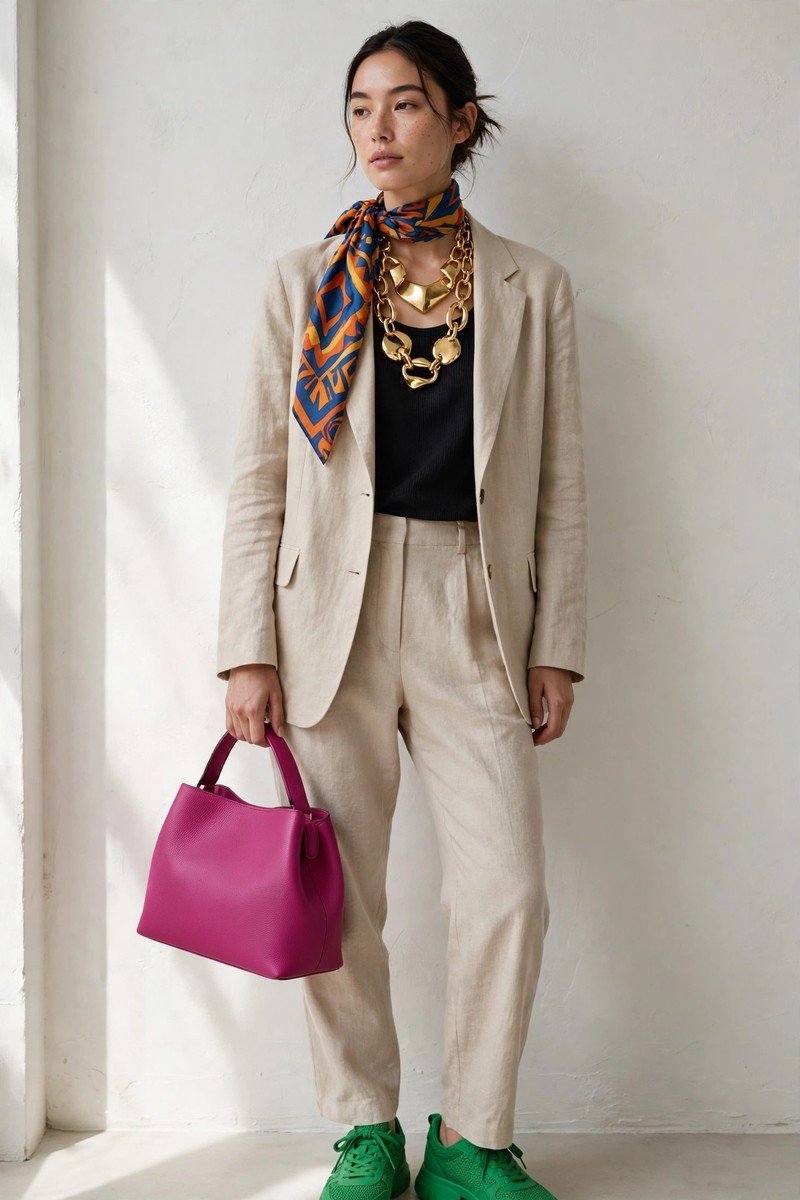
A neutral wardrobe doesn’t have to feel boring once accessories enter the picture. A bold bag, a statement necklace, or colorful shoes add personality without adding clutter. These smaller pieces also tend to be easier to store than full garments. This is how a minimalist wardrobe avoids looking identical every single day.
What Minimalist Doesn’t Mean
17. It’s Not About Owning as Little as Possible
The actual goal is a closet full of things that genuinely get worn. It was never about a small number for its own sake. Someone with thirty pieces they love isn’t less minimalist than someone with fifteen they tolerate. This distinction matters more than any specific number of items owned. This is the most important idea on this entire list to actually remember.
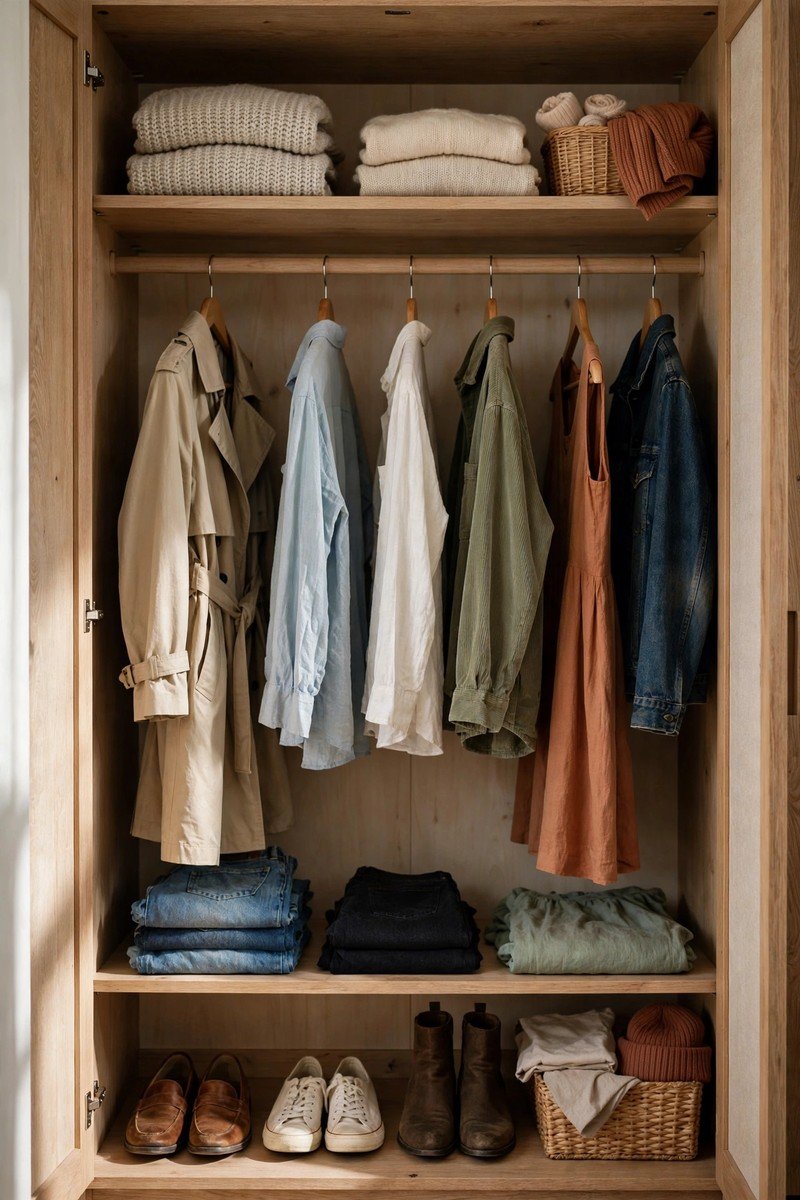
Quick Minimalist Wardrobe Cheat Sheet
- Start: assess what’s owned, define style rules, sort into three piles.
- Foundation: two or three neutral colors, a white shirt, and dark denim.
- Essentials: a blazer, boots, a coat, a sweater, and one dressy option.
- Maintain: one in one out, shop with a list, borrow for one-off events.
Seventeen steps is enough to build a minimalist wardrobe that actually reflects real life. Start with assessing what’s already owned before buying a single new thing. Add the foundational pieces gradually, not all in one weekend. For more wardrobe-building ideas, our long coat outfit ideas covers one of these essentials in more depth. Our winter casual outfits shows how far a small wardrobe can actually stretch.