If you’re exploring afrohemian decor, you’re looking at one of the warmest, most personal design trends around right now. It blends West African textile traditions like mudcloth, kente, and adire with the relaxed, layered feel of bohemian style, and the result is a room that feels collected and full of character rather than matched from a catalog. Afrohemian decor works in almost any room, whether you’re starting from scratch or adding just a few new pieces to what you already own.
What Are the Best Afrohemian Decor Ideas for This Year?
These 10 afrohemian decor ideas cover textiles, color, furniture, and sourcing, so you can bring the look into your space in a way that feels genuine, not just trendy.
1. Start With One Statement Textile
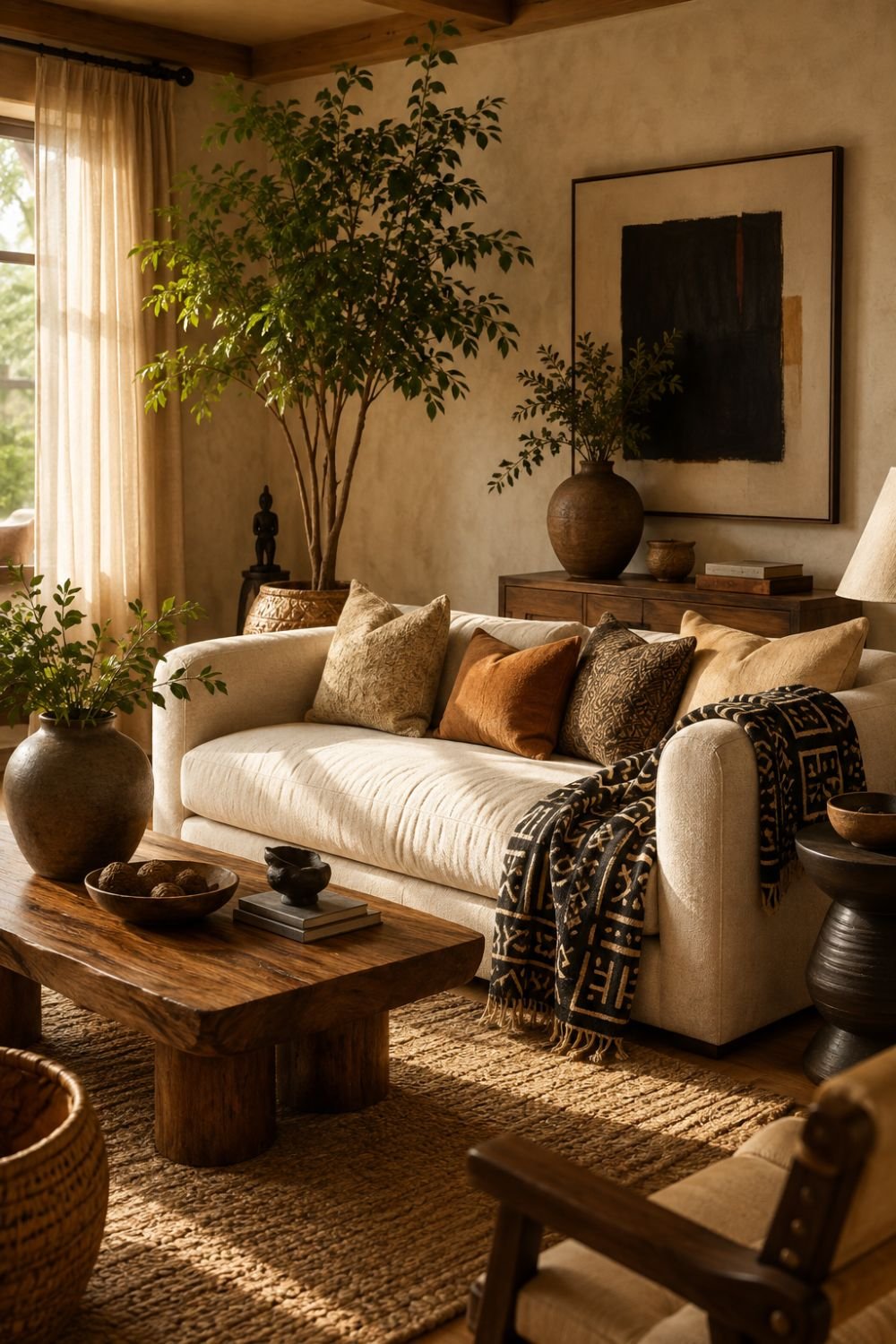
A single mudcloth or kuba cloth piece, whether it’s a throw, a pillow, or a framed panel, is often enough to anchor an entire room in afrohemian decor. These fabrics carry bold, graphic patterns on their own, so one strong piece usually does more than several smaller matching accents. Let it sit against a plainer background, like a linen sofa or a neutral wall, so the pattern has room to stand out. Starting with one piece also makes it easier to build the rest of the room around it later.
2. Build a Warm, Earthy Color Palette
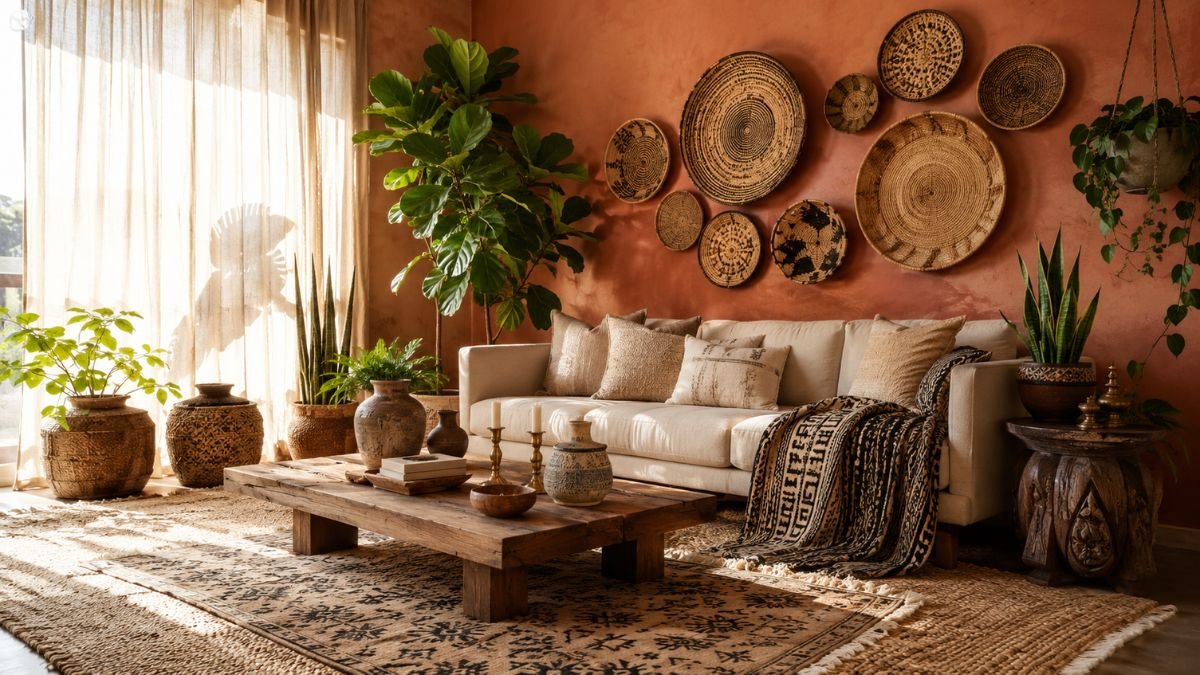
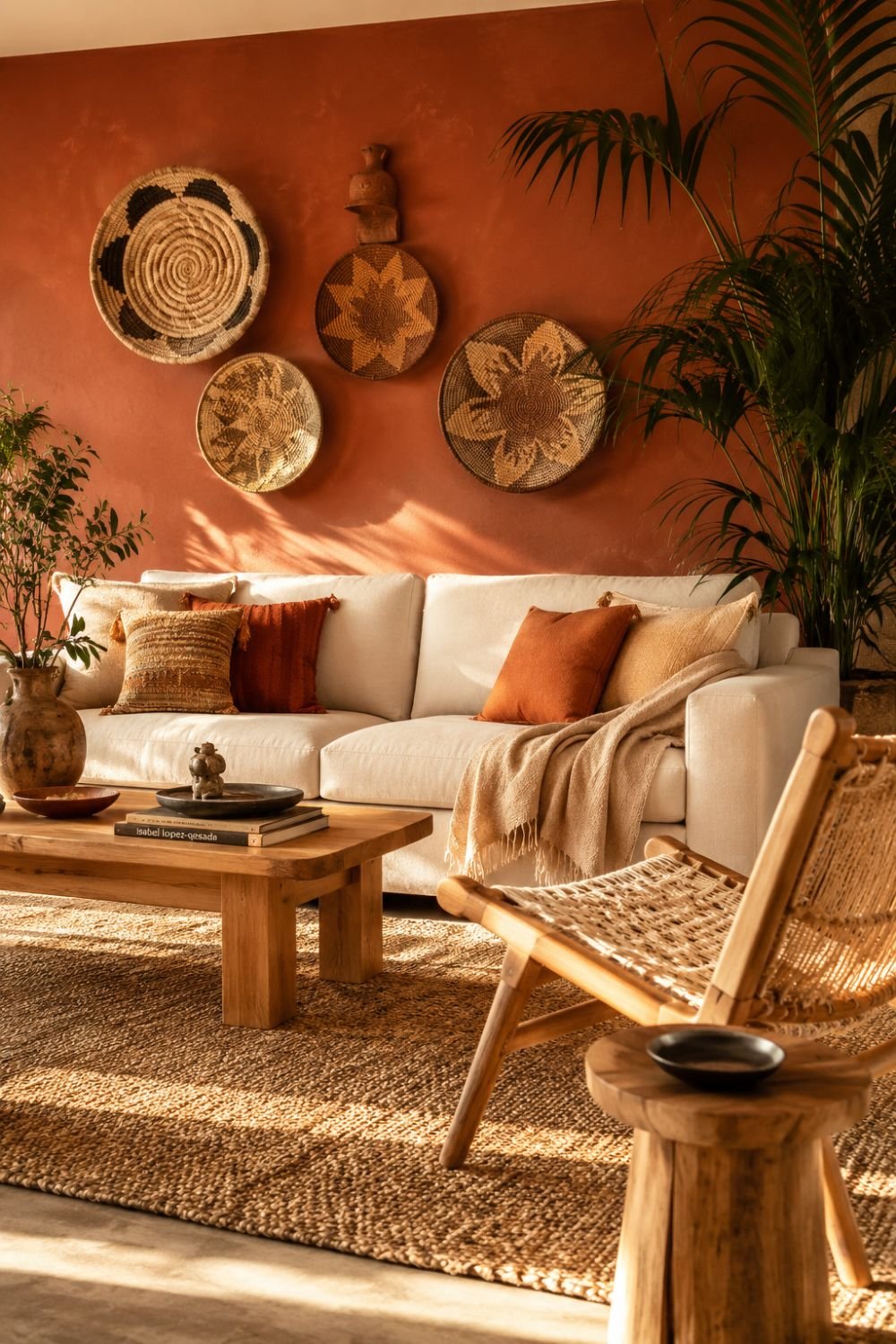
Afrohemian decor tends to favor terracotta, ochre, warm cream, and deep indigo over the cool grays and whites that have dominated interiors for years. Keeping your walls and larger furniture in these warmer neutral tones gives your bolder textiles and accents a calm backdrop to stand out against. Saturated color works best used deliberately, like on one wall or in a few key pieces, rather than spread evenly across the whole room. This restraint is part of what keeps the look feeling sophisticated instead of overwhelming.
3. Add Hand-Carved Wood Furniture
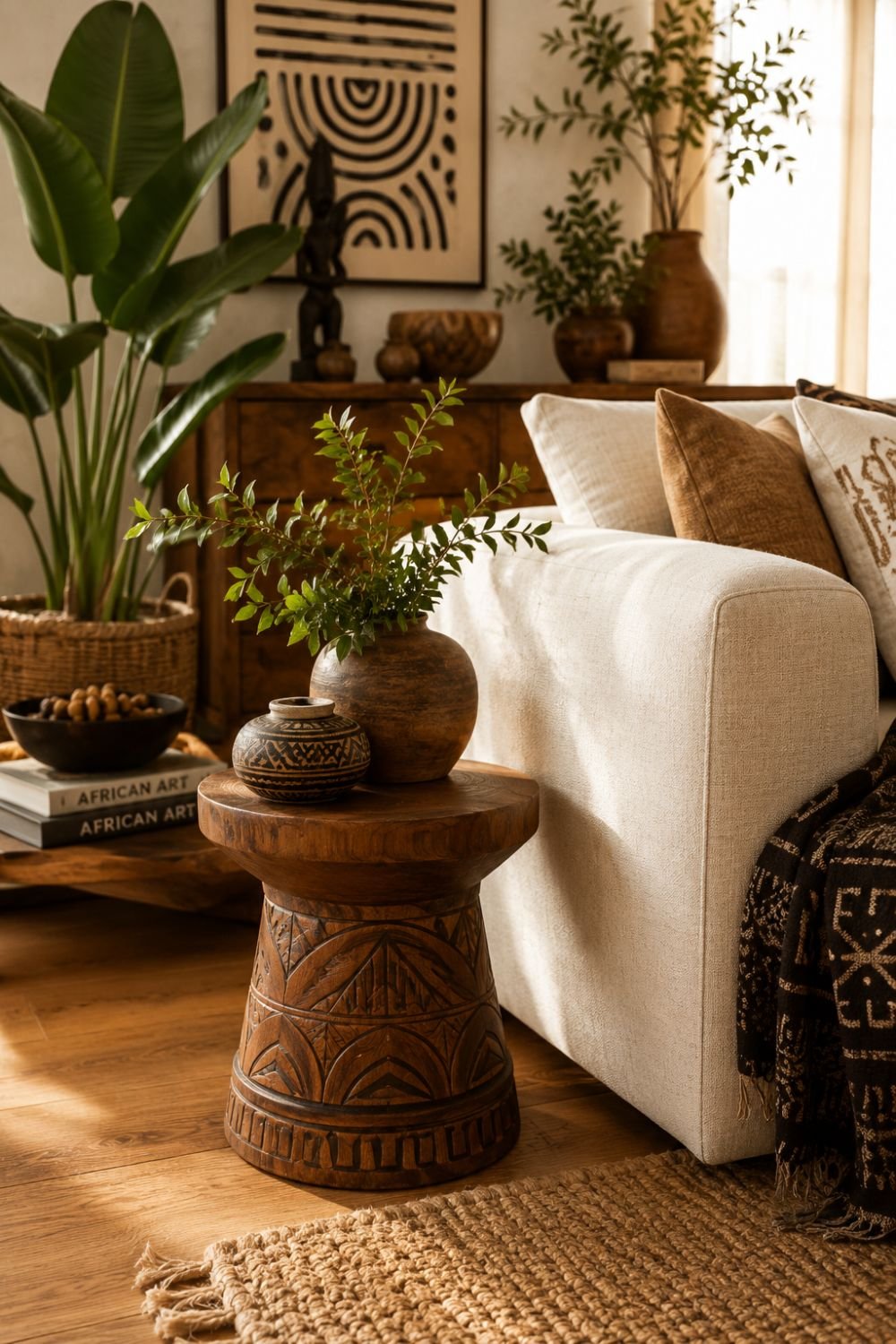
A carved wood stool, bench, or side table brings craftsmanship and texture into afrohemian decor in a way that mass-produced furniture just can’t replicate. Look for pieces with visible grain and hand-finished detail rather than anything overly polished or uniform. Even one strong wood piece, placed somewhere it’ll actually be seen, adds warmth and a sense of history to the room. This is a good area to invest a bit more, since these pieces tend to last and only look better with age.
4. Layer in Woven Baskets
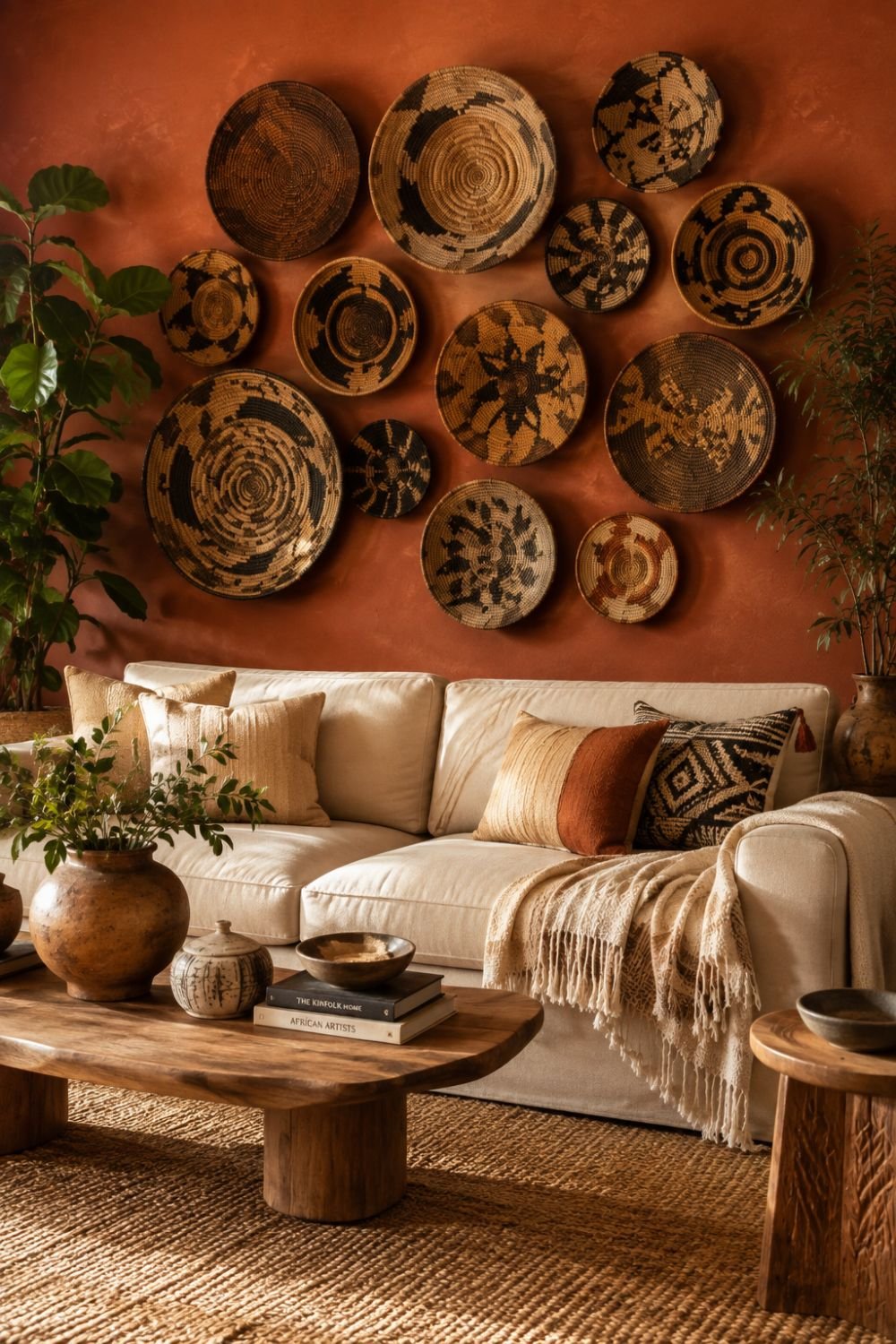
Baskets are one of the most recognizable elements of afrohemian decor, both as functional storage and as wall art. A cluster of baskets in varying sizes mounted on a plain wall creates texture and circular movement that flat art can’t match. On the floor or a shelf, a basket also gives you a place to store blankets or plants without breaking the room’s natural, handmade feel. Mixing a few different weave patterns adds even more depth to the look.
5. Add a Layered Natural Fiber Rug
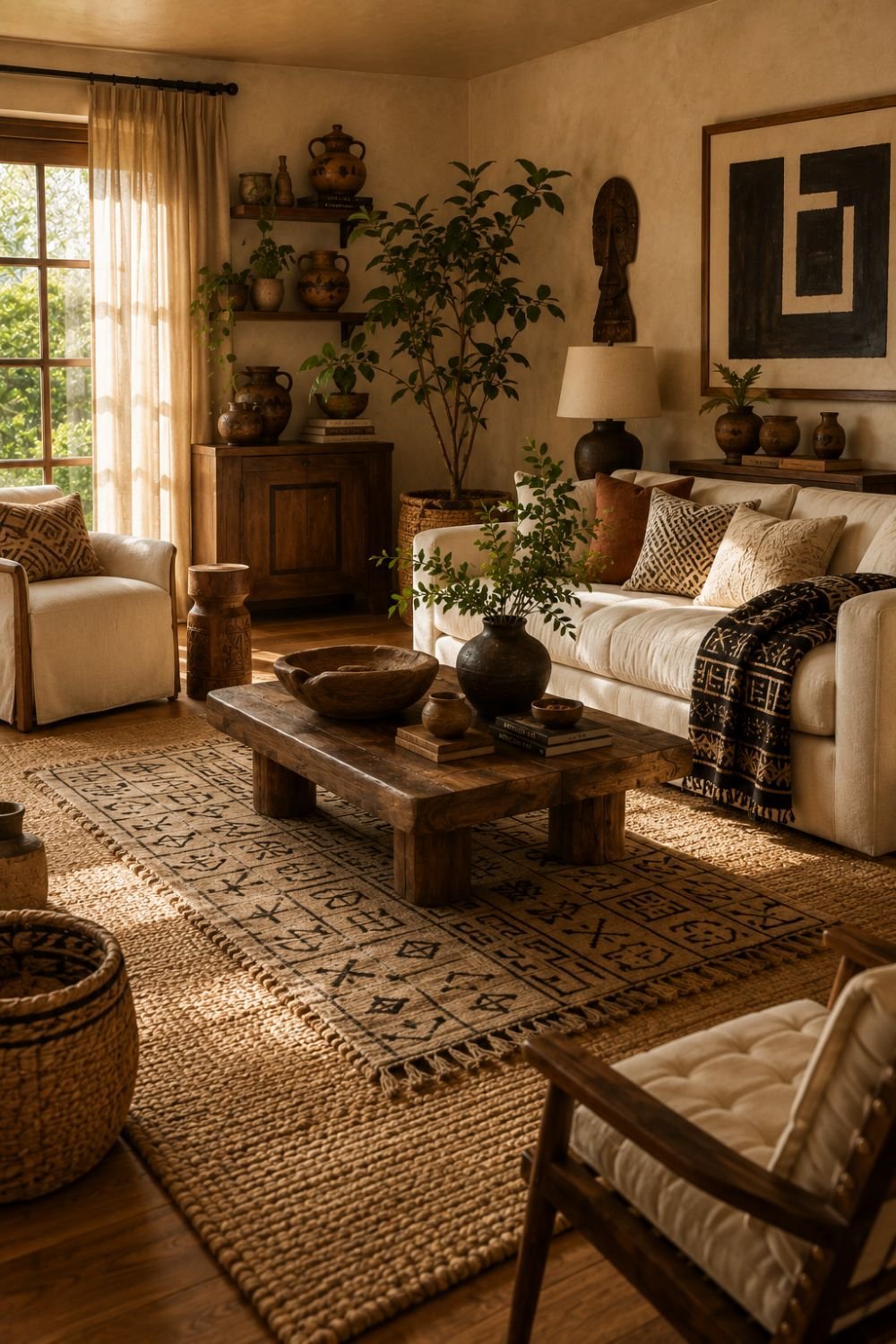
A jute or sisal rug grounds a room in afrohemian decor while keeping the palette feeling natural rather than manufactured. Layering a smaller patterned rug, like one with a mudcloth-inspired print, on top of the natural fiber base adds pattern without covering the whole floor in bold color. This layered approach is a signature move in bohemian-influenced spaces and works especially well in living rooms and bedrooms. It also makes it easy to update the look later just by swapping the top layer.
6. Bring In Brass and Warm Metal Accents
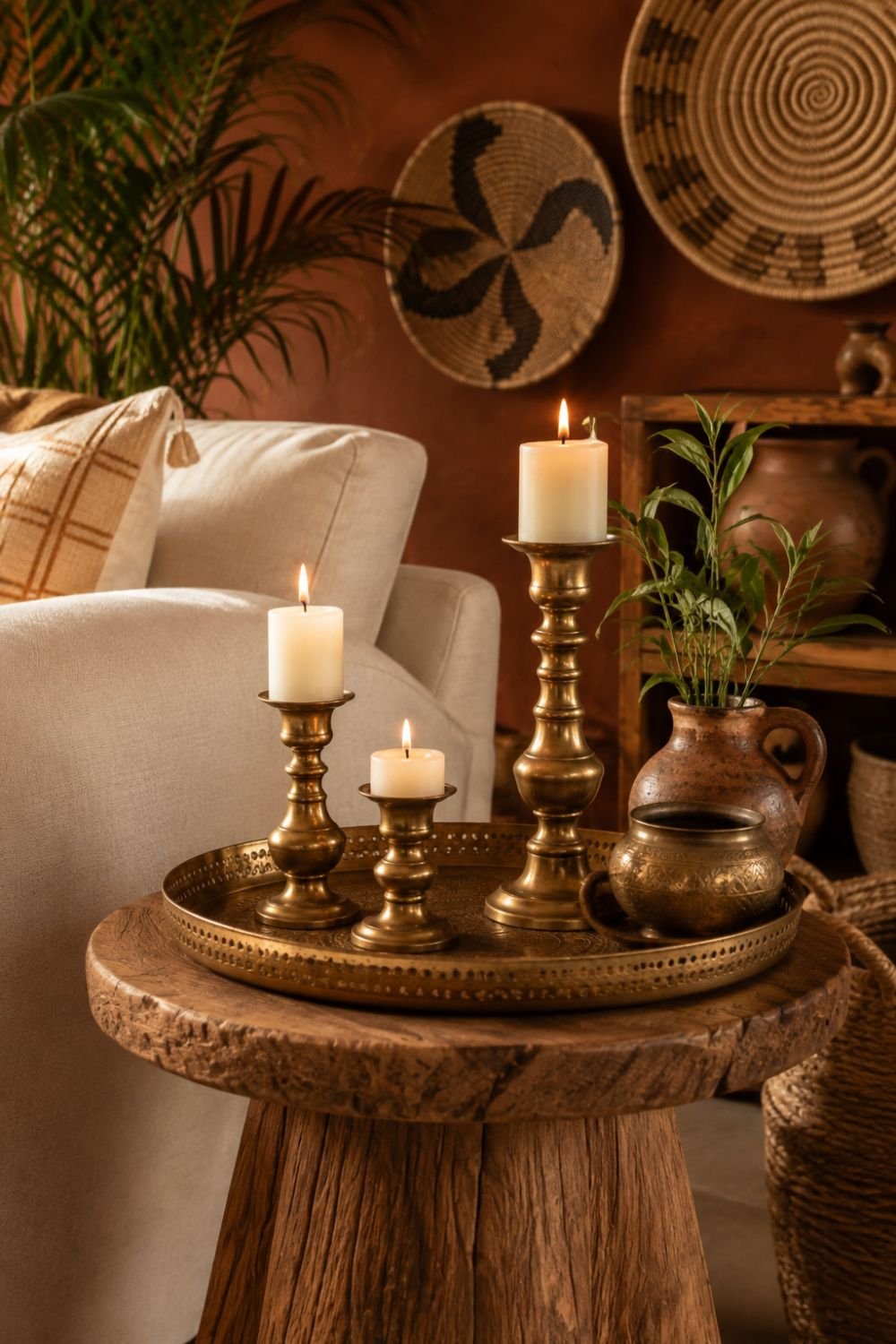
Burnished brass, aged gold, or hammered copper accents add a bit of shine that keeps afrohemian decor from feeling flat. These metals work well on lighting, drawer pulls, or small decorative objects like trays and candle holders. Warmer metals pair more naturally with the earthy palette than cool chrome or silver tones do. Even a few small touches, like a brass tray or a set of pulls, tie the room together without needing a bigger investment.
7. Fill the Room With Lush Plants
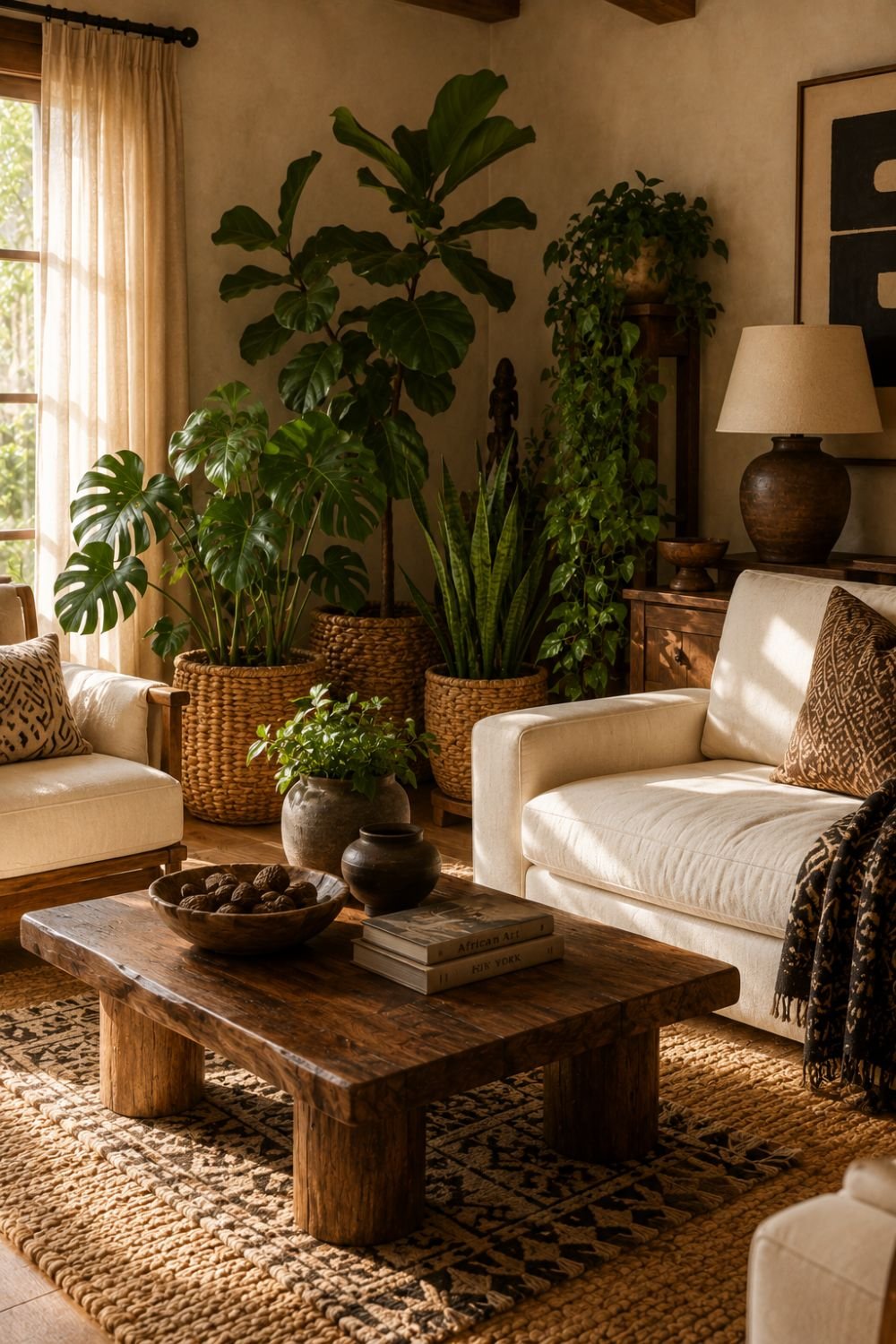
An abundant plant presence is a defining feature of afrohemian decor, bringing life and softness into a room built on natural materials and warm tones. Larger floor plants, like a fiddle leaf fig or a snake plant, work especially well as anchor pieces in a corner. Grouping a few plants of varying heights, rather than a single small pot, creates the layered, lived-in feeling the style is known for. Plants also help balance out the boldness of patterned textiles with something calming and green.
8. Frame a Textile as Wall Art
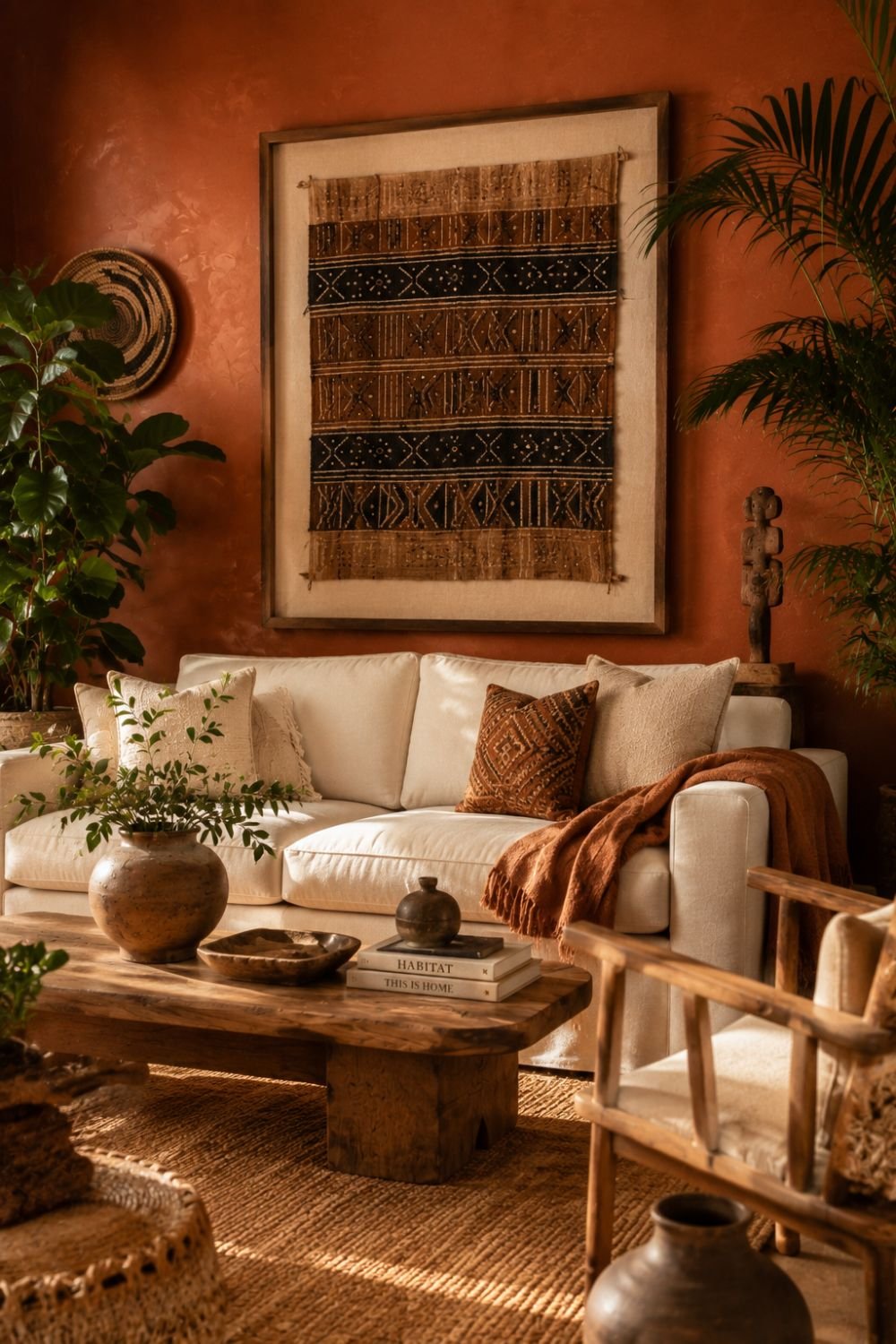
Instead of only using patterned fabric on furniture, consider framing a piece of kuba cloth or adire fabric and hanging it as art. This treats the textile as the cultural object it is, giving it the same weight and attention a painting would get. It’s also a great option for renters, since framed textiles are easy to move and don’t require any permanent changes to the wall. A single framed piece can become the focal point of an entire room’s afrohemian decor.
9. Keep the Overall Look Curated, Not Crowded
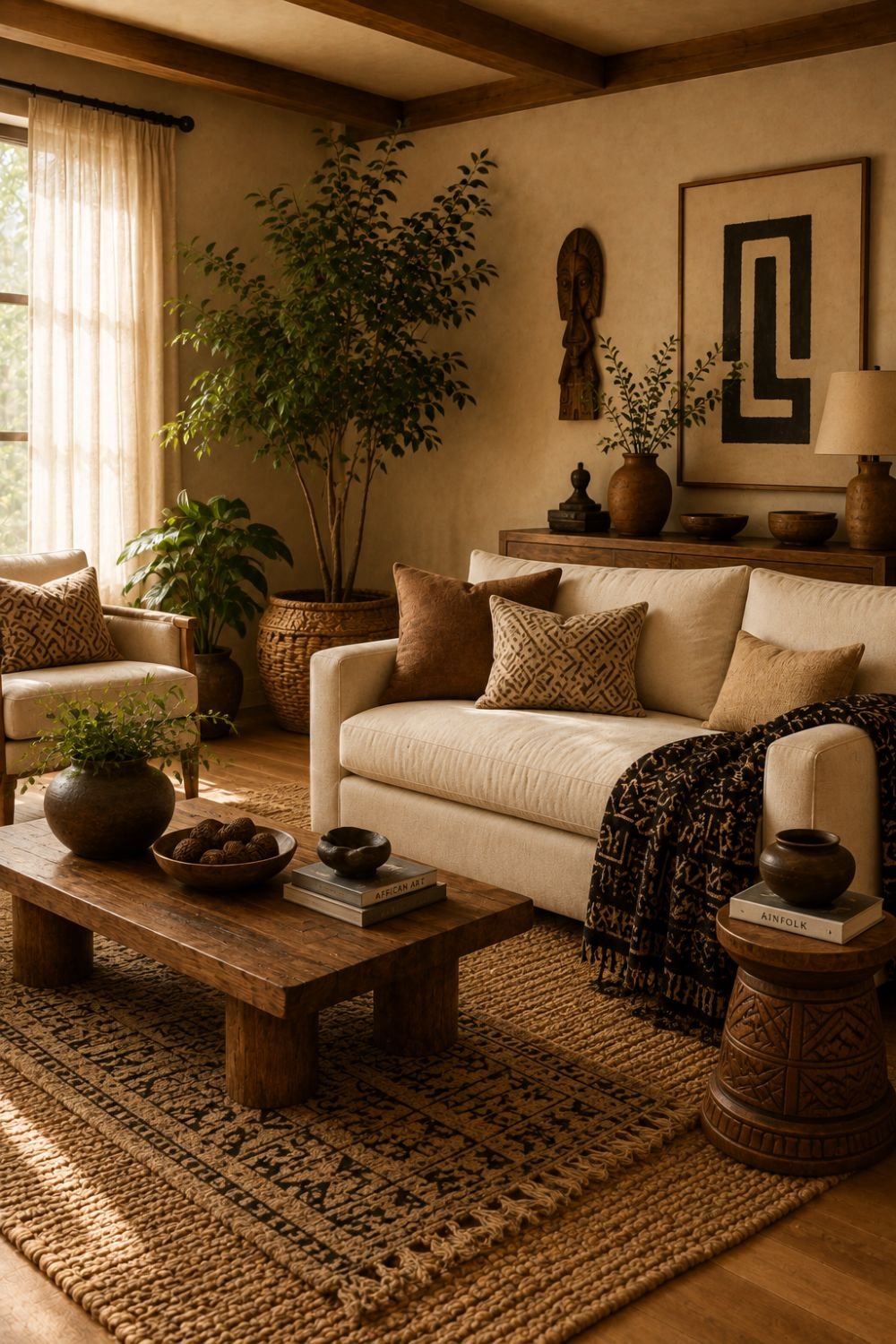
Afrohemian decor works best as considered layering rather than filling every surface with pattern and objects. A strong textile, one or two sculptural wood pieces, and a solid plant presence often say more than a room packed with a dozen smaller items. This restraint is what separates a genuinely styled space from one that reads as costume-like or overdone. Choosing fewer, better pieces almost always makes the room feel more intentional.
10. Source Thoughtfully From Makers
Because afrohemian decor draws directly from specific cultural textile traditions, like mudcloth from Mali or kente from Ghana, it’s worth buying authentic pieces from the artisans and communities who make them rather than mass-produced prints. This usually means a bit more research and a bit more cost, but it supports the actual craft behind the style and results in pieces with far more depth and character. Many small shops and marketplaces specialize in connecting buyers directly with makers. Taking this extra step is what turns afrohemian decor from a passing trend into something genuinely meaningful in your home.
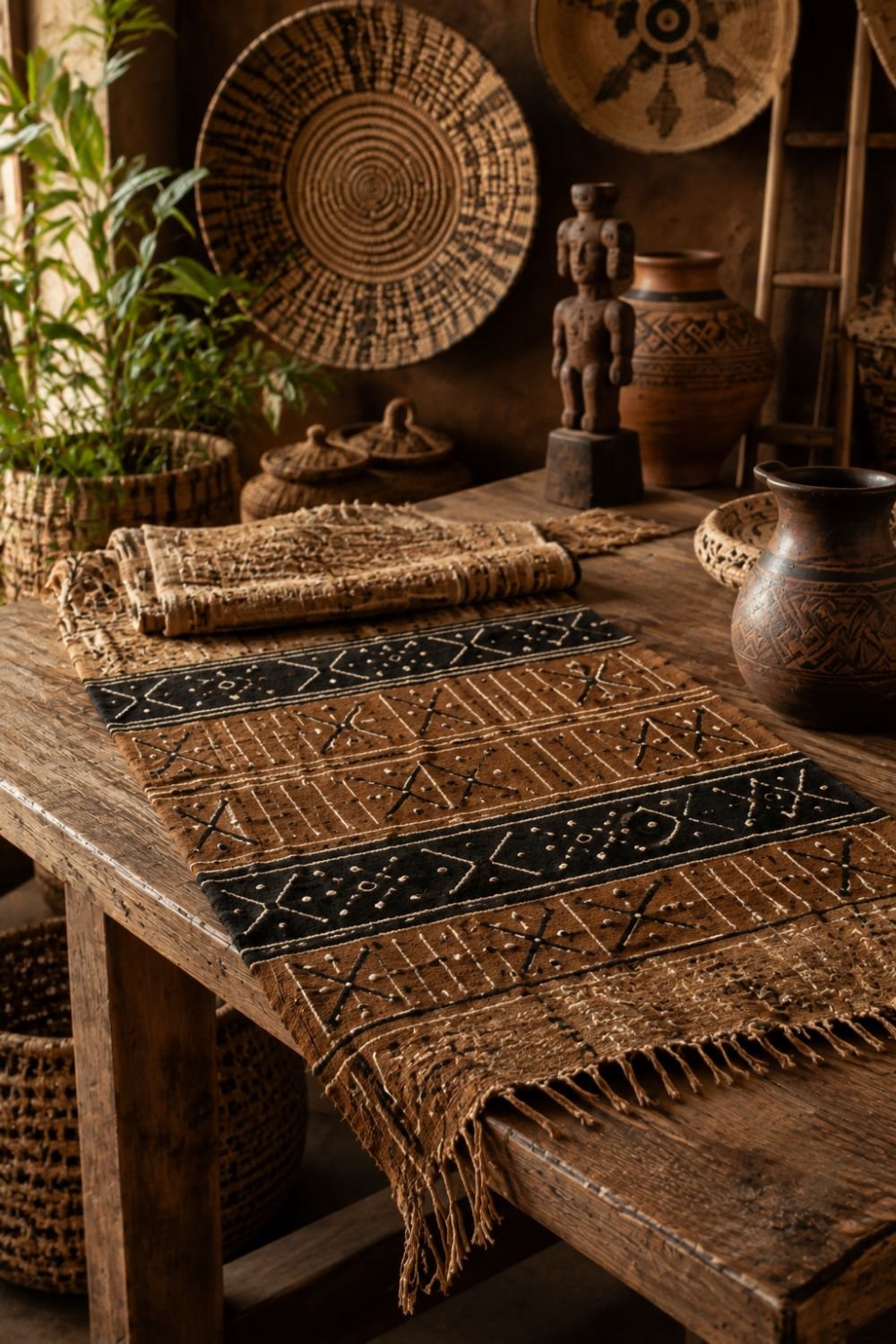
💛 My favorite trick: Start with one authentic textile piece you genuinely love, then build the rest of the room’s colors and materials around it. It’s a far more grounded starting point than trying to buy every element of the look all at once.
FAQ
What is afrohemian decor? Afrohemian decor blends African textile and craft traditions, like mudcloth, kente, and adire, with the relaxed, layered feel of bohemian style. It favors warm, earthy colors, natural materials, and pieces with real cultural history.
How do I add afrohemian decor without overdoing it? Start with one strong textile piece and a warm, neutral base palette, then add sculptural wood furniture, baskets, and plants gradually. A few well chosen pieces almost always look more intentional than a room filled all at once.
Where should I buy authentic afrohemian decor pieces? Look for small shops, artisan marketplaces, and makers who specialize in traditional textiles like mudcloth or kente, rather than mass-produced prints. This supports the craft behind the style and results in pieces with more depth and history.
Sources
For more on this trend and how to bring it into your home thoughtfully, these guides are worth a read:
- 10 Ways to Infuse Your Space with Afrohemian Design, According to Experts
- Afrohemian Decor: Ideas for Adding Exotic Flair to Your Home
Keep the Cozy Going
Loving these afrohemian decor ideas? Here’s where to go next:
- Want more warm, textured color inspiration? 16 Fresh Green Kitchen Accent Ideas for Neutral Cabinets has more to explore.
- Looking for more natural texture throughout your home? 12 Genius Woven Pendant Light Ideas for Warm Kitchens is a good next stop.
- Building a whole collected, layered home? Living Room Decor Ideas is worth the read.